
Signs Your Dog’s Jumping Behavior Is More Than Just Excitement: Dog Training in Lakewood, CO
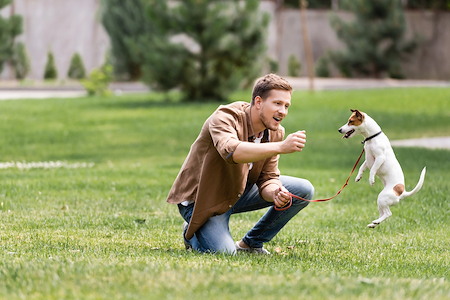
When friends step into your Lakewood home and your dog launches into the air, it can look like pure joy. Sometimes it is. But persistent, intense jumping often points to something bigger than excitement. If greetings have become a struggle at the front door, on the sidewalk, or at your favorite patio in Belmar, it may be time to bring in a private dog trainer who can sort out what’s really driving the behavior.
At Dog Ventures, we focus on patterns, not one‑off moments. The right plan can turn chaotic hellos into calm, confident greetings that feel safe for your family and your guests.
What “Normal” Jumping Looks Like in Lakewood Homes
Many friendly dogs spring up a little when someone arrives. “Normal” jumping is brief, fades as the dog settles, and doesn’t escalate from visit to visit. It’s common with puppies, especially during busy after‑school hours in neighborhoods like Green Mountain or Applewood when energy is already high.
Normal greeting energy usually eases once the novelty wears off. The dog can take a breath, look away, and choose a calmer behavior on their own. If that’s not what you’re seeing, keep reading.
Clear Signs Jumping Is More Than Excitement
When jumping turns into a pattern that spreads to new places or grows in intensity, you’re getting important feedback from your dog. Watch for these red flags:
- Escalation across settings: the jump is higher, harder, or more frequent at the door, in hallways, and even on quiet streets near Addenbrooke Park.
- Vocalization creeps in: whining becomes barking, or barking turns into frustrated growls as guests step inside.
- Redirection toward you: in the rush of arousal, your dog paws or mouths at your hands, sleeves, or the leash.
- Slow recovery: long after the greeting, your dog still paces, pants, or shadow‑follows guests from room to room.
- Generalization: the behavior shows up with delivery drivers, neighbors, and even familiar friends who visit often.
- Tension in the body: stiff posture, tight mouth, or dilated pupils instead of a loose wag and soft expression.
- Safety close calls: someone has stumbled on a slick stoop during winter or had to brace to avoid a fall.
If two or more of these are common, the jumping likely ties to arousal, frustration, or uncertainty. That’s not a manners issue alone. It’s a regulation issue, and it benefits from a step‑by‑step plan built around your home and daily routines.
Why Dogs Jump: Energy, Emotion, and Triggers in Lakewood, CO
Jumping often starts as friendly energy, then gets “reinforced” by attention. Over time, excitement can blend with big feelings. Doorways near Wadsworth or Colfax are full of sound and movement. Bells ring, boots clomp, voices echo, and cold air rushes in. For a dog with low impulse control, that sensory stack is a spark.
Some dogs also jump when they feel conflicted. They want to engage but feel unsure. That mix of approach and uncertainty can look like springing up, pawing, or mouthing. In apartments around Belmar, narrow entries and tight hallways add pressure, which can amplify the behavior.
Local Factors That Can Make Jumping Worse
Lakewood life brings unique conditions that can intensify greeting chaos:
- Winter ice and snow create slippery stoops and porches, raising fall risk for kids and older adults.
- Altitude and dry air can leave high‑energy dogs a little more amped after daytime hikes at Bear Creek Lake Park.
- Busy weekend gatherings for a Broncos game or summer block parties stack excitement before the door even opens.
When To Call a Private Dog Trainer in Lakewood
Consider bringing in help if the behavior:
- Escalates for more than a week or two despite quieter greetings and fewer visitors
- Includes pawing, mouthing, or hard body contact with guests
- Shows up in multiple locations, like the front door, garage entry, or apartment lobby
- Creates safety concerns for children, older adults, or anyone with mobility challenges
A professional who focuses on behavior will look at the whole picture: your entry layout, guest flow, times of day, and the specific patterns that set your dog off. If leash excitement is part of the story, this related read can help you see the bigger picture: warning signs your dog’s leash pulling is becoming a bigger behavior problem.
If you’re just starting your research, you can learn how our team approaches Lakewood, CO dog training and how we tailor plans to match real homes, sidewalks, and seasons.
How Professional Training Addresses Jumping Without Guesswork
Assess The Pattern, Not Just The Moment
We begin by understanding when and where the jumping happens, who’s involved, and how your dog recovers. That map tells us whether the root is excitement, frustration, uncertainty, or a mix.
Set Up The Environment For Success
Small changes in how people enter, where they pause, and how rooms are staged can lower arousal within seconds. This is not about gadgets. It’s about clarity and structure that make good choices easier for your dog.
Build Emotional Regulation First
Reliable manners stick when a dog feels safe and can think clearly. Training that supports regulation helps your dog shift from “I must!” to “I can wait,” even with moving people, bags, and winter gear crowding the entry.
Practice should happen where the problem lives. We coach families in the space where greetings actually unfold so improvements transfer to weeknights, weekends, and holidays in Lakewood homes.
Jumping, Kids, And Guests: Safety First
Big greetings can be scary for kids and risky for older adults. Safety comes first for families and visitors. A plan that reduces contact at the door and lowers arousal before people step in protects everyone without punishing your dog for being social.
What Progress Looks Like For Lakewood Families
Progress is not perfection. It’s smaller bursts of energy, faster recovery, and better choices in busier moments. On a Saturday in Belmar, success might look like noticing your neighbor, keeping paws on the floor, and choosing stillness while the door closes. On a snowy evening near Green Mountain, it could be a brief wiggle and then a calm wait while boots come off.
Behavior Modification vs. Manners: Which Path Fits?
If the jumping is brief and friendly, manners work may be enough. When the behavior is intense, widespread, and slow to settle, behavior modification for dogs is a better fit because it targets the feelings under the behavior, not just the surface action.
Many families blend both. Foundational manners support the emotional work, and the emotional work makes manners stick during the busiest moments. For an overview of our approach to general training, see our dog training services and how we customize sessions to fit your space and schedule.
Common Myths About Jumping
“He’ll grow out of it.” Not always. Rehearsed behaviors grow stronger over time, especially when they “work” to get attention. Waiting it out can let the habit harden.
“He only jumps on new people.” That can still be a pattern tied to entry cues, not the person. If the space and timing stay the same, the behavior likely will too.
“It’s just excitement.” Sometimes. But if you’re bracing yourself at the door, if guests flinch, or if your dog stays wired for half an hour, excitement isn’t the whole story.
Lakewood Context: Where Jumping Shows Up Most
We see patterns across the city:
- Townhome and apartment corridors near Belmar, where echoes and tight corners stack stress
- Split‑level entries in Green Mountain, where people appear suddenly at the landing
- Backyard get‑togethers in Applewood, where groups arrive in bursts and doors open and close fast
In each case, the solution starts with the same idea: change the context so calmer choices are possible, then teach your dog what to do with that new clarity.
Why Work With Dog Ventures
Our trainers focus on what your dog feels, not only what they do. We tailor sessions to your home, your people, and your calendar. You’ll know what to expect at each step, how we’ll measure progress, and how we’ll keep momentum without overwhelming your dog or your family.
If you want to dive deeper into planning and expectations, this short read is helpful: dog training tip: setting expectations. It explains why a clear goal makes change faster and more durable.
Your Next Step To Calmer Greetings In Lakewood
If any of the warning signs above sound familiar, you don’t have to wait for the next awkward doorway moment. Learn how our team shapes plans for real homes and real guests by starting with our dog training in Lakewood, CO page. Or call us at 303-929-7759 to talk through your dog’s behavior with a trainer who understands local homes, seasons, and routines.
Big feelings don’t have to rule your front door. With a plan that targets emotion and builds better choices, your dog can greet with calm confidence and your guests can walk in smiling.
Contact Dog Ventures! Your Denver Dog Trainer, can transform your dogs’ behavior
Call Us: 303-929-7759 Need Training? Click Here
