
Warning Signs Your Dog Doesn’t Have Reliable Recall
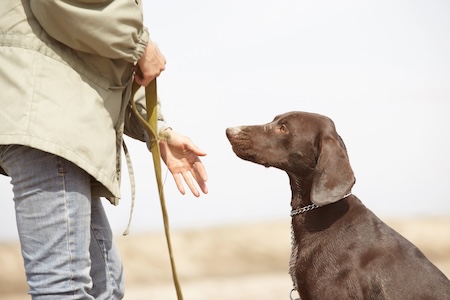
Reliable recall is more than a party trick. In Centennial, CO, it is a safety skill your dog needs around busy streets, neighborhood trails, and wide‑open parks. If you have wondered whether your dog will come when it counts, this guide explains the warning signs to watch for and what to do next. If you want expert support, explore our dog training services to help your dog build dependable listening skills.
What Reliable Recall Really Means
Reliable recall means your dog comes to you quickly the first time you call, even around distractions. It shows up as a fast turn of the head, committed movement toward you, and a finish right at your side. There is no circling at a distance, no “halfway and bail,” and no need to repeat the cue.
In everyday life around Centennial, that reliability is tested by joggers on the Willow Creek trail, squirrels cutting across a yard in Southglenn, or kids playing ball at a neighborhood greenbelt. A truly reliable recall holds up through these normal, tempting moments. Anything less is a sign you should pause, reassess, and get support before thinking about off‑leash time.
Clear Warning Signs Your Dog’s Recall Isn’t Solid
Look for these patterns when you call your dog. One or two might seem small. A handful together tells you it is time to strengthen the skill.
- Your dog needs you to repeat the cue or use a louder voice before moving toward you.
- They stop short, pace just out of reach, or play “keep away” when you try to clip the leash.
- They respond indoors but ignore you outside, especially near wildlife, other dogs, or moving bikes.
- They glance at you, then choose the distraction, like sniffing or chasing.
- They only come if you show a treat or toy first, not when you give the cue alone.
- There is a delay before they move, or they take a slow, wandering route instead of a straight line.
- They come, grab a reward, and blast off again without settling near you.
These are not “stubborn dog” moments. They are clear feedback that the training picture is not yet strong enough for the environment. Recognizing them early helps you avoid risky situations and plan better practice with the right structure.
Why Recall Is Harder Around Centennial, CO
Centennial sits along the Front Range with a mix of suburban streets, open spaces, and changing weather. That blend can make recall harder than it seems on paper. Gusty spring winds scatter scents. Afternoon summer activity fills parks with joggers, strollers, and bikes. Fall brings migrating wildlife, and winter adds snowbanks that change the landscape and dampen sound.
Popular dog spots add their own pressure. Cherry Creek State Park’s open spaces and the nearby off‑leash area can be bustling. The High Line Canal Trail weaves past cyclists and runners. Neighborhoods like Piney Creek and Foxridge offer long sight lines where distractions are visible from far away. All of this means a dog that “comes inside” may still struggle outside. Reliable dog recall requires training around real‑world noise and motion, not just living room practice.
Misreads That Owners Often Miss
Many owners think, “My dog comes most of the time, so we are good.” The gap shows up in these subtle misreads that are easy to miss until there is a scare.
- Delayed first step: Your dog hears you but chooses to finish sniffing before moving. That delay grows under stress.
- Stop‑and‑stare: They jog toward you, then freeze to watch another dog pass. The freeze means the distraction is still winning.
- Leash‑only success: They respond fine when on leash but cannot do it when you drop the line. The leash was doing the work, not the recall.
- Reward‑dependent behavior: They come only when they see the treat pouch. That is a lure, not a trained behavior.
These patterns are worth noting because they predict what happens when a gate pops open or a squirrel dashes across the sidewalk. A recall with cracks in easy situations will not hold in the hard ones.
Behavior And Environment Red Flags
Some signs suggest you should pause any off‑leash plans until you address the root issue. They do not make your dog “bad.” They simply tell you what to work on with a trainer.
Watch for:
Chasing tendencies around wildlife like rabbits near Willow Spring Open Space or squirrels in mature tree‑lined streets. Prey movement can wipe out attention in a split second. Also note high excitement around other dogs at crowded play areas. Social pull can be as strong as prey drive.
Consider noise sensitivity too. A passing truck on Arapahoe Road or a sudden gust can startle a dog mid‑recall, causing a spin or bolt. If your dog spooks easily, work on recall in calmer locations before adding noise. And track general stress. If your dog pants hard, avoids eye contact, or scans constantly, recall performance will drop.
Never test recall near traffic or wildlife. If you are not certain your dog will come the first time, keep control tools in place and choose a lower‑pressure setting until training progresses.
How Professional Training Builds Dependable Recall
Reliable recall is a trained behavior that holds up under pressure. Professional coaching turns a once‑in‑a‑while response into a consistent skill by breaking the process into clear steps, using the right rewards, and practicing through controlled distractions. It is less about a single trick and more about a communication system your dog understands every time.
At Dog Ventures, our trainers focus on dog listening skills, timing, and steady progress. We tailor sessions for Centennial environments, from quiet neighborhood lawns to busier trails. We also help you avoid common pitfalls like overusing the cue, practicing too close to distractions too soon, or switching rewards too early. To see how this works in action, take a look at our approach to off-leash dog training within a structured program that puts safety first.
Private obedience training is especially useful if your dog struggles with strong distractions or has a history of slipping out the door. One‑on‑one coaching allows careful setups, precise distance management, and clean repetitions. That is how you get from “maybe” to “yes” when it matters most in Centennial’s real‑world settings.
Is Your Dog’s Recall Ready For More Freedom?
Before increasing freedom, assess how your dog performs in ordinary neighborhood life. Think about after‑school hours when sidewalks are busy, or windy spring afternoons that lift every scent off the ground. Reliable recall shows up in those moments without you needing to repeat yourself or wave a food pouch.
Ask yourself these reality‑check questions:
- Does my dog turn on a dime and move straight to me the first time, without a visible lure?
- Can they do it when a dog is passing, a ball is bouncing, or a squirrel runs?
- Do they finish close enough for me to calmly attach a leash, every time?
If any answer is “not yet,” treat that as valuable feedback. It means more guided practice is needed, not that your dog cannot learn. A reliable recall is built, not guessed. You do not need to figure it out alone. The right plan turns confusion into a repeatable routine your dog can follow anywhere.
Common Situations Around Town That Expose Weak Recall
Centennial families are active, and dogs tag along. Here are everyday moments that often reveal shaky recall, even for otherwise well‑mannered pets:
Saturday mornings at Cherry Creek State Park when bikes and runners surge. Evening yard time when rabbits appear at dusk. Pickup hours near school zones when kids and balls are moving across sidewalks. Neighborhood events in Heritage Greens where music and crowds change your dog’s focus. If your dog falters in these scenes, the recall is not yet ready for off‑leash privileges.
Off‑leash privileges come after a strong foundation, not before it. Building that foundation with coaching and structure keeps your dog safe and you confident.
Why “He Comes At Home” Isn’t Enough
Home is the easiest classroom. Fewer smells, fewer surprises, and your attention is the main event. Outdoors in Centennial, the nose leads. Airflow shifts fast. Wildlife trails crisscross open spaces. People and pets add motion everywhere. A dog that comes in the kitchen may ignore you near the High Line Canal because the environment is simply louder than your cue.
This is why “street‑ready” recall training must include distraction planning, distance control, and clear finish behavior. It is not only about getting your dog to turn toward you. It is about getting them all the way in, calmly, so you can secure the leash and move on. If any piece is missing, the chain breaks under pressure.
When To Get Help From A Trainer
Get help early if your dog has bolted, plays keep‑away, or ignores you outside. Professional guidance shortens the learning curve and protects your dog while you practice. A trainer will read your dog’s body language, set the right starting picture, and progress you through Centennial‑specific distractions with a plan, not guesswork.
You can learn more about recall programs and how sessions are structured by visiting our page on dog training services. If you are just beginning your search and want an overview of our approach and values, explore how we build reliable dog recall training with practical steps you can use during guided sessions.
Keep your dog on‑leash where required and choose training setups that prevent rehearsing bad habits. Safety first means fewer setbacks and faster progress.
What You Can Expect Working With Dog Ventures
Our recall training focuses on clear communication and confidence. We help you teach your dog to come when called through structured sessions, beginning in low‑distraction spaces and expanding to more realistic settings around Centennial as your dog succeeds. We use rewards that matter to your dog and coaching that fits your schedule.
Because every household is different, we offer private obedience training options that target recall alongside loose‑leash walking, polite greetings, and calm behavior. The goal is a dog that listens even when life is busy. Families near Willow Creek, Southglenn, and Piney Creek appreciate having flexible training times and clear homework that fits into after‑work routines without creating chaos.
Most importantly, we do not rush the process. We help you spot small wins, read your dog better, and make smart decisions about when and where to practice around town. That keeps progress steady and reduces the chance of scary close calls.
Take The Next Step Toward Reliable Recall
If the warning signs in this article sound familiar, it is time to strengthen your dog’s recall before more freedom. A dependable come‑when‑called is one of the most important life skills your dog will ever learn, especially in a community as active as Centennial.
Ready for reliable dog recall? Call Dog Ventures at 303-929-7759 to schedule private obedience training in Centennial today.
Contact Dog Ventures! Your Denver Dog Trainer, can transform your dogs’ behavior
Call Us: 303-929-7759 Need Training? Click Here
